Why Waterproofing Must Be Your First Top priority
Outdoor camping is just one of one of the most fulfilling ways to reconnect with nature-- until the rain starts and your sleeping bag becomes a soggy mess. For novices entering the world of outdoor adventures, choosing a waterproof camping tent is not optional; it is vital. However with numerous choices on the marketplace, each flaunting impressive-sounding specifications, understanding what really matters can feel overwhelming. This guide breaks it all down so you can shop with confidence.
Understanding Waterproof Rankings (Hydrostatic Head)
One of the most vital number you will certainly see on any kind of camping tent listing is the hydrostatic head (HH) score, determined in millimeters. This number tells you just how much water pressure the fabric can hold up against prior to it begins to leakage.
What the Numbers Mean
A ranking of 1,000 mm to 1,500 mm provides fundamental water resistance and is great for light drizzle. A ranking of 1,500 mm to 3,000 mm manages moderate rain well and suits most camping trips. Anything over 3,000 mm is thought about very water resistant and is ideal for hefty rainstorms or subjected camping areas. As a beginner, aim for at least a 2,000 mm rating for your outdoor tents's rainfly and a 3,000 mm rating for the groundsheet, because the flooring bears straight contact with damp ground and puddles.
Secret Attributes to Search For
A high waterproof rating alone does not guarantee a completely dry evening. A number of style and construction details work together to maintain water out.
Joint Sealing and Insulation
Every stitch opening in your camping tent material is a possible entry point for water. Seam-sealed outdoors tents have a fluid sealer applied to the joints, while totally taped seams use water resistant tape bound over every stitch line. Taped joints offer superior defense and are worth the extra cost, especially if you intend to camp in locations with heavy rainfall.
Rainfly Coverage
A rainfly is the outer water-proof layer that drapes over your tent. Full-coverage rainflies extend right to the ground, obstructing wind-driven rain from slipping under the edges. Partial rainflies are lighter however leave the reduced camping tent walls revealed. For newbies camping in unforeseeable weather, a full-coverage rainfly is the much safer option.
Tent Poles and Framework
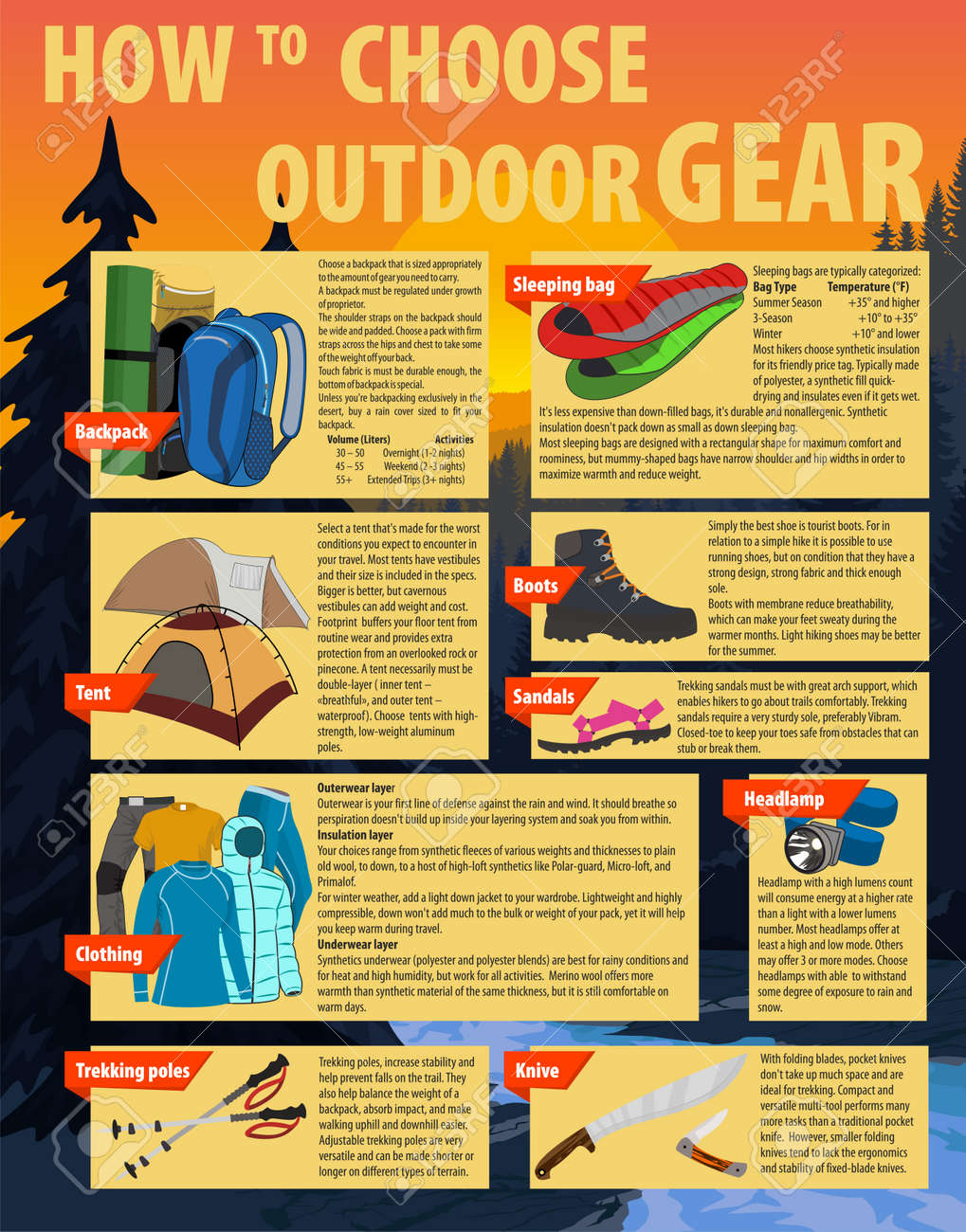
A water resistant fabric suggests absolutely nothing if your tent breaks down under the weight of rainfall or bends sidewards in the wind. Aluminum poles are lightweight, solid, and immune to barging in cool problems. Fiberglass posts are cheaper but heavier and more prone to snapping. Dome and geodesic tent styles deal with bad weather condition especially well due to the fact that their curved framework disperses rainfall and wind extra successfully than cabin-style outdoors tents.
Tent Products Explained
Polyester vs. Nylon
Most water-proof outdoors tents are made from either polyester or nylon. Polyester is extra immune to UV destruction and soaks up much less water when damp, making it a trustworthy selection for prolonged trips. Nylon is lighter and stronger for its weight however stretches when wet, which can loosen up individual lines and modify the camping tent's shape during rainfall. Both products are usually coated with polyurethane or silicone to enhance their water resistant performance.
The Groundsheet Matters
Never ever ignore the camping tent flooring. A thick, reinforced groundsheet with a high hydrostatic head score secures you from ground dampness, puddles, and wet lawn. Some campers additionally use a footprint-- a custom-cut groundsheet that goes below the camping tent-- for included defense and to extend the tent 4 person life of the camping tent floor.
Air Flow: Stopping Condensation
One common mistake beginners make is perplexing condensation with leakages. Also a perfectly water-proof tent will certainly create dampness on the inside walls when warm air from your body satisfies the cool fabric. Good air flow through mesh inner panels, flexible vents, and a well-pitched rainfly that allows airflow between the layers considerably lowers condensation. Seek tents with double-wall construction-- a breathable inner tent paired with a waterproof rainfly-- for the best balance of dryness and comfort.
Capacity and Weight Considerations
Tent sizing is frequently generous on paper. A "2-person" tent comfortably fits two people but leaves little room for equipment. If you are purchasing for solo journeys with tools, take into consideration evaluating. On the weight side, larger outdoors tents tend to have even more robust waterproofing, which is a fair compromise for auto outdoor camping. If you intend to trek to your camping site, try to find a light-weight camping tent that still satisfies your waterproofing requirements.
Final Tips Prior To You Acquire
Constantly pitch your brand-new camping tent in the backyard before your initial journey to look for any type of problems and to practice arrangement in daytime. Re-apply a waterproofing spray to the rainfly and joint when a season to maintain efficiency. Read individual evaluates focused on real-world rainfall performance as opposed to depending entirely on manufacturer specifications. An appropriate water resistant tent is a financial investment that repays whenever the clouds roll in-- and in the outdoors, they always do eventually.